
How to Choose the Right Elastic Cords for Comfortable Hosiery Products
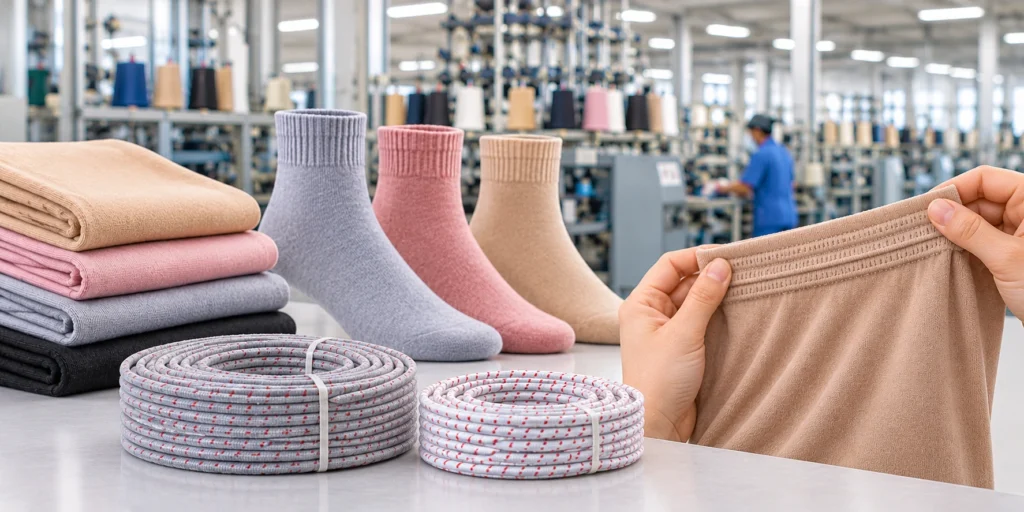
Comfort, flexibility, and a proper fit are essential qualities of hosiery products. Whether manufacturers produce socks, stockings, leggings, or other stretchable garments, the elastic components play an important role in their performance. They help garments stay in place, maintain their shape, and provide the stretch needed for everyday movement.
The quality of these components directly affects the finished product. An elastic cord with poor stretch recovery may become loose over time, while excessive tension can make hosiery uncomfortable to wear. Manufacturers must therefore select cords that match their fabric, product design, and performance requirements.
Choosing the right Elastic Cords involves more than checking their stretch. Material quality, cord thickness, strength, flexibility, and manufacturing consistency also matter. Understanding these factors helps hosiery manufacturers make better purchasing decisions and produce garments that offer lasting comfort.
1. Identify the Stretch Requirements of Your Hosiery Products
Every hosiery product has different elasticity requirements. Socks need sufficient stretch around the cuffs to prevent slipping. Stockings require flexibility to fit different leg shapes without restricting movement. Leggings need elastic components that support a comfortable fit during regular activities.
Before selecting Elastic Cords for hosiery manufacturing, identify how much stretch your product requires.
Consider these application-specific requirements:
- Socks: Require balanced elasticity to keep the cuffs secure without creating excessive pressure.
- Stockings: Need consistent stretch to support a smooth and comfortable fit.
- Leggings: Require flexibility that allows easy movement and helps maintain garment shape.
- Compression hosiery: Needs carefully specified elastic components that support the intended compression design.
Matching cord specifications with the final application helps manufacturers achieve better fitting and product performance.
2. Check Elasticity and Stretch Recovery
Stretch capacity determines how much an elastic cord extends under tension. Stretch recovery determines how effectively it returns to its original length after the tension is released.
Both properties affect hosiery comfort. Cords with poor recovery may lose their shape after repeated stretching. This can cause socks to slip or stockings to become loose. Excessive tension can also create discomfort during extended wear.
Choose high-quality elastic cords that offer suitable stretch and consistent recovery for the intended application.
Manufacturers should evaluate the cord under repeated stretching conditions. This test helps determine whether it maintains its elasticity during regular use. Reliable recovery also supports consistent garment fitting and reduces the chances of premature product failure.
3. Select the Right Material and Cord Construction
Material selection affects the flexibility, strength, durability, and overall performance of an elastic cord. Different hosiery applications require different material properties.
Some common options include:
- Rubber-based elastic cords: Provide stretch and flexibility for applications that require controlled tension.
- Covered elastic cords: Feature an elastic core wrapped with textile yarn. Their construction supports applications where fabric compatibility and surface feel are important.
- Synthetic elastic materials: Offer different combinations of strength, flexibility, and recovery, depending on the material and construction.
The selected material should work well with the hosiery fabric and manufacturing process. For example, everyday socks and fitted stockings may require different elastic specifications.
Discuss the intended application with your elastic cord manufacturer to identify suitable material options. This helps prevent compatibility issues and supports better finished-product quality.
4. Choose the Correct Cord Thickness
Cord thickness influences garment fitting, appearance, and performance. A thick cord may create unnecessary bulk in lightweight hosiery. A thin cord may not provide sufficient support for applications that require higher tension.
Manufacturers should select the diameter according to the product’s construction and fabric requirements.
Here are some important considerations:
- Lightweight hosiery: Requires thinner cords that provide suitable elasticity without affecting fabric comfort.
- Everyday socks: Need appropriate thickness to maintain a secure cuff fit.
- Heavy-duty hosiery: May require stronger cord specifications to handle higher tension.
- Stretchable garments: Need cords that work with the fabric without affecting its natural flexibility.
Testing different elastic cord sizes with the actual fabric helps manufacturers determine the right specifications. It also supports a better balance between garment comfort, flexibility, and appearance.
5. Evaluate Cord Strength and Durability
Hosiery products experience repeated stretching, washing, and everyday friction. Their elastic components must withstand these conditions without losing their functional properties.
A cord with insufficient strength may break or lose elasticity during regular use. This affects garment fitting and can increase product rejection and customer complaints.
When evaluating durable elastic cords, check their tensile strength, construction quality, and resistance to repeated stretching.
Also consider the following factors:
- Resistance to regular wear and tear
- Consistent stretch under repeated tension
- Reliable recovery after stretching
- Suitable performance after washing
- Strong and uniform cord construction
Durable cords help hosiery manufacturers maintain product quality. They also reduce unnecessary material replacement and production-related losses.
6. Check Compatibility With Hosiery Fabrics
An elastic cord should complement the fabric rather than interfere with its structure. Poor compatibility can affect knitting, stitching, fabric movement, and the final garment finish.
For example, lightweight knitted fabrics need cords that provide suitable tension without making the material feel stiff. Heavier fabrics may require different cord specifications to achieve the desired support.
Before finalizing your elastic cord selection, evaluate:
- Fabric weight and thickness
- Knitting or weaving structure
- Fabric stretch and recovery
- Stitching and production requirements
- Required garment fit and finish
Testing the cord with the actual hosiery material helps identify potential issues before bulk manufacturing. It also ensures that the elastic component supports the garment’s design and comfort.
7. Prioritise Consistent Quality for Bulk Manufacturing
Consistency is important when manufacturing hosiery products in large quantities. Variations in cord diameter, elasticity, or strength can create differences in the finished garments.
For example, inconsistent stretch may cause socks from the same production batch to have different cuff fittings. Such variations affect product quality and customer satisfaction.
Work with an elastic cord supplier that follows reliable manufacturing and quality control practices.
Check the following quality parameters:
- Uniform cord diameter
- Consistent elasticity and recovery
- Reliable tensile strength
- Proper cord construction
- Resistance to regular use
- Consistent specifications across batches
A dependable supply partner helps manufacturers maintain production standards and fulfill bulk orders with greater confidence.
8. Choose an Experienced Elastic Cord Manufacturer
The manufacturer’s experience and production capabilities also influence your sourcing decision. An established elastic cord manufacturer and supplier understands how different cord specifications affect finished products.
Before selecting a manufacturing partner, evaluate its technical knowledge, product range, production capacity, and quality control practices.
Look for a manufacturer that offers:
- Different elastic cord specifications
- Application-based product recommendations
- Consistent manufacturing quality
- Reliable bulk supply capabilities
- Technical support for product selection
- Clear communication about product specifications
Share your requirements, including fabric type, cord thickness, stretch capacity, and intended application. This allows the manufacturer to recommend suitable products instead of offering a standard solution for every requirement.
9. Test Samples Before Placing Bulk Orders
Product samples help manufacturers evaluate actual cord performance before starting large-scale production. Never finalize an order based only on appearance or product descriptions.
Test the selected cords for elasticity, stretch recovery, strength, and fabric compatibility. Also examine how they perform during knitting, stitching, and garment finishing.
Evaluate the finished hosiery product for:
- Comfortable fitting
- Consistent stretch
- Proper shape retention
- Secure positioning
- Performance after repeated washing and use
These checks help identify possible problems early. They also reduce material wastage, production delays, and quality-related expenses.
Source Quality Elastic Cords for Better Hosiery Products
Choosing the right elastic cord requires careful attention to material, thickness, elasticity, strength, and fabric compatibility. Each factor contributes to the final garment’s comfort, fitting, and durability.
For hosiery manufacturers, working with an experienced manufacturing partner makes this selection process easier. Consistent product specifications and reliable supply also help maintain quality across bulk production.
Looking for a reliable elastic cord manufacturer for your hosiery production requirements?
Choose S.V.Parikh, a manufacturing brand with over 100 years of experience in elastic cord manufacturing. The brand brings long-standing manufacturing expertise and an understanding of elastic cord requirements across different applications.
Connect with S.V.Parikh to discuss your product specifications, explore suitable elastic cord solutions, and source quality products for your manufacturing needs. Invest in the right elastic cords to produce hosiery products that deliver consistent fitting, flexibility, and lasting comfort.
