
Why Elastic Cord Quality Control Is Critical During Peak Production Seasons
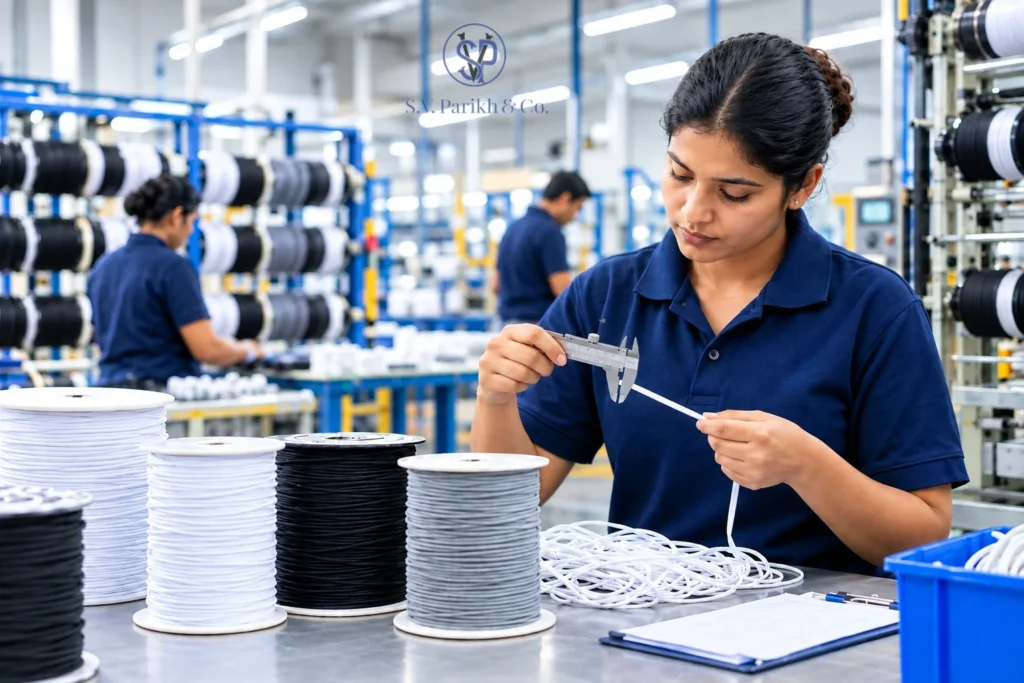
Peak production seasons bring higher order volumes and tighter delivery schedules. Manufacturers need to produce more elastic cords without reducing consistency. This is where quality control becomes critical.
Elastic cords must meet specific requirements for stretch, recovery, strength, diameter, construction, and appearance. Even a small variation can affect the performance of the final product. The risk becomes higher when production runs continuously and large quantities move through the manufacturing process.
A strong elastic cord quality control system helps manage this pressure. It keeps production within approved specifications and helps identify issues before they affect a large batch. Following established quality control and testing standards also supports consistent manufacturing practices. For customers, this means consistent cords across bulk orders and repeat purchases.
What Changes During Peak Production
Peak seasons put additional pressure on manufacturing operations. Production lines often run for longer hours. Order quantities increase. Delivery deadlines become tighter. Inspection teams also need to handle more material in less time.
These conditions can increase the chance of production variation.
A minor change in raw material, machine setting, tension, or production speed can affect the finished cord. If the issue remains unnoticed, the same defect can continue across a large production batch.
This makes elastic cord quality control an active part of production rather than a final inspection step.
Raw Material Quality Sets the Starting Point
Consistent elastic cord starts with consistent raw materials.
Elastic cores and covering yarns need to meet defined requirements before production begins. Material variation can influence the cord’s stretch, strength, recovery, thickness, and appearance.
Incoming materials therefore require proper inspection. Manufacturers need to verify material specifications before releasing them for production.
This early check supports elastic cord quality control from the beginning. It also helps prevent unsuitable materials from entering a high-volume production run.
Consistent Stretch Keeps the Cord Reliable
Stretch performance is one of the key characteristics of an elastic cord. The cord needs to provide the required elongation without losing its expected recovery.
During peak production, maintaining consistent stretch becomes especially important. Changes in construction or production conditions can create differences between batches.
Manufacturers can check elongation and recovery through controlled testing. They can compare test results with the required product specifications.
This form of elastic cord quality control helps maintain predictable performance across production lots. It also gives customers greater confidence when the same cord is used in large quantities.
Tensile Strength Protects the End Application
Elastic cords need sufficient tensile strength for their intended use. The required strength varies by cord size, construction, material, and application.
A cord with insufficient strength can fail during use. This can create product defects and increase the risk of customer complaints.
Tensile testing helps identify these issues before shipment. Samples from production batches can be tested against established requirements.
Regular strength checks make elastic cord quality control more effective during high-volume manufacturing. They help ensure that the cord performs as expected under the required load.
Diameter Control Supports Production Accuracy
Cord diameter directly affects how the material fits and works in the final product.
A change in diameter can affect threading, stitching, knotting, fitting, and assembly. It can also create visible differences between production batches.
Manufacturers need to monitor diameter throughout production. Regular measurements help identify variation early.
Maintaining dimensional consistency is an important part of elastic cord quality control. It allows customers to use the cord with fewer production adjustments and less material rejection.
In-Process Inspection Stops Problems Early
Waiting until the entire order is finished before checking quality creates unnecessary risk.
In-process inspection allows manufacturers to identify issues while production is still running. Teams can check important characteristics at defined production intervals.
These checks may include:
- Cord diameter
- Stretch and recovery
- Tensile strength
- Construction consistency
- Surface appearance
- Color consistency
- General workmanship
If a variation appears, production teams can investigate the cause and make the required adjustment.
This approach makes elastic cord quality control more effective because it focuses on prevention rather than only defect detection.
Machine Performance Matters During Long Production Runs
Peak seasons often require machines to operate for extended periods. Machine condition and production settings can influence cord consistency.
Changes in tension, speed, temperature, or other operating conditions may affect the finished product. Regular monitoring helps keep the process stable.
Preventive maintenance also plays an important role. Equipment checks can reduce unexpected downtime and help maintain consistent production conditions.
When machine performance and product testing work together, elastic cord quality control becomes part of the complete manufacturing process.
Final Inspection Confirms Bulk Order Quality
After production, finished elastic cords need a final quality check before packing and shipment.
Final inspection provides one more opportunity to verify that the product matches the approved requirements. Depending on the product specification, checks can include dimensions, stretch, strength, appearance, construction, and packaging.
Batch identification and inspection records also help maintain traceability. They allow manufacturers to connect finished material with its production information.
A reliable final inspection process strengthens elastic cord quality control and reduces the possibility of non-conforming products reaching customers.
Quality Control Reduces Peak Season Losses
Quality problems become more expensive when production volumes are high.
A defective batch can involve large amounts of raw material, machine time, labor, packaging, and shipping. Rework can also delay other customer orders.
Strong quality checks help detect problems earlier. Early detection reduces waste and limits the amount of material affected.
For manufacturers handling bulk elastic cord orders, elastic cord quality control therefore supports both product reliability and production efficiency.
Consistency Matters Beyond One Order
Customers often use elastic cords as part of a larger manufacturing process. They need the material to perform consistently from one batch to the next.
Inconsistent cords can force customers to change machine settings or adjust their production process. Differences in stretch, diameter, or strength can also affect the finished product.
A controlled manufacturing process helps maintain consistency across repeat orders. It creates a more reliable supply relationship between the manufacturer and customer.
This is why elastic cord quality control matters beyond peak season. The systems used during high-demand periods also support long-term product consistency.
Choose a Manufacturer That Controls Quality at Every Stage
Peak production should increase output without lowering product standards. That requires more than final inspection. It requires quality control across raw materials, production, testing, and final dispatch.
For elastic cords, consistent stretch, recovery, tensile strength, diameter, construction, and appearance directly influence product performance. A structured quality system helps keep these characteristics within the required specifications even when production volumes rise.
For bulk buyers, choosing the right manufacturing partner can make a major difference. A manufacturer with established production controls and inspection practices can provide more consistent material, fewer quality issues, and better supply reliability.
Contact S.V.Parikh to discuss custom specifications, application requirements, and reliable elastic cord solutions for your production needs.
