
5 Common Quality Issues in Elastic Cord and How to Avoid Them
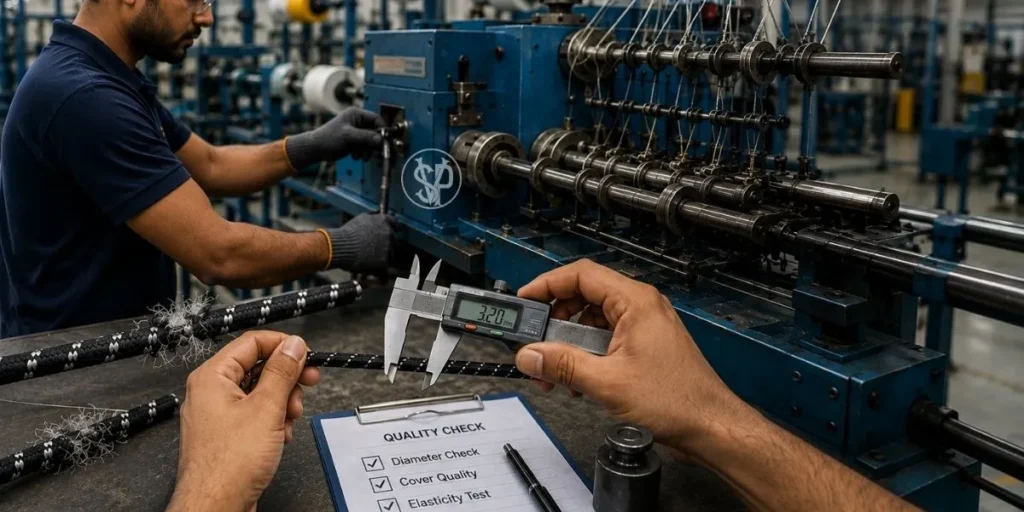
Elastic cords play a quiet yet essential role across industries. They support garments and textile applications, medical products, luggage, and industrial applications.
Their performance affects comfort, safety, and durability. Yet, many manufacturers and buyers overlook small defects that lead to bigger problems.
Understanding common Issues in Elastic Cord helps prevent product failure and improves overall quality.
Many experienced suppliers also focus on consistent manufacturing practices to reduce such risks. Companies like S.V. Parikh & Co. provide reliable elastic solutions by maintaining strict quality standards and process control. Learn more about their elastic cord manufacturing expertise and quality-focused production approach.
Why Quality Matters in Elastic Cord
An elastic cord works under constant tension. It stretches, retracts, and endures repeated use. Any flaw affects its strength and consistency. Poor quality also impacts the final product’s reliability.
When you address Issues in Elastic Cord early, you reduce waste and improve customer satisfaction. It also supports long-term cost efficiency.
1. Inconsistent Elasticity
Elasticity defines how well the cord stretches and returns to its original shape. Inconsistent elasticity creates uneven performance. Some sections stretch more, while others remain stiff.
This issue often arises from poor material blending or uneven tension during production. It can also result from low-grade rubber or synthetic fibres.
How to Avoid It
Use high-quality raw materials with consistent properties. Maintain proper tension control during manufacturing. Regular testing ensures uniform stretch and recovery.
Set clear quality benchmarks for elasticity. This step helps detect variation before the product reaches the market.
2. Weak Tensile Strength
Tensile strength determines how much force the cord can handle before breaking. Weak cords fail under pressure. This leads to product damage and safety concerns.
This problem usually comes from poor fibre quality or weak core construction. Improper braiding or knitting techniques also reduce strength. Properly designed braided elastic cordshelp improve structural stability and overall tensile performance.
How to Avoid It
Choose durable core materials such as high-grade rubber or latex alternatives. Use strong outer fibres that support the core. Apply precise manufacturing techniques to maintain structure.
Conduct tensile strength testing at different stages. This ensures the cord meets required load standards.
3. Poor Abrasion Resistance
Elastic cords often rub against surfaces during use. Poor abrasion resistance causes fraying and surface damage. Over time, this weakens the cord and shortens its lifespan.
This issue becomes common when low-quality outer fibres are used. It also appears when finishing processes are not handled correctly.
How to Avoid It
Select abrasion-resistant materials like polyester or nylon for the outer layer. Apply protective coatings if needed. Ensure proper finishing techniques to strengthen the surface.
Test the cord under real-use conditions. This helps identify wear patterns early.
4. Colour Fading and Bleeding
Appearance matters, especially in fashion and consumer goods. Colour fading reduces product appeal. Color bleeding can stain surrounding materials.
These problems often occur due to poor dye quality or improper dyeing processes. Exposure to sunlight, washing, or chemicals can worsen the issue.
How to Avoid It
Use high-quality dyes with strong colour fastness. Follow controlled dyeing procedures. Test the cord for resistance to washing, light, and chemicals.
Ensure proper curing and finishing. This helps lock in the colour and maintain appearance over time.
5. Uneven Thickness and Surface Defects
Elastic cords should have a smooth and uniform structure. Uneven thickness affects performance and aesthetics. Surface defects such as lumps or loose fibres reduce quality.
This issue often results from poor machine calibration or inconsistent material feed. Lack of quality checks also allows defects to pass unnoticed.
How to Avoid It
Maintain machines regularly to ensure proper calibration. Monitor material flow during production. Use automated systems where possible to improve precision.
Implement strict quality inspections. Check both visual and structural consistency before final packaging.
The Bigger Picture of Quality Control
Each of these problems highlights the importance of strong quality control. Addressing Issues in Elastic Cord requires attention at every stage. From raw material selection to final inspection, each step matters.
Consistency in production leads to reliable products. It also builds trust with customers and partners. Businesses looking for dependable manufacturing standards often review client experiencesbefore choosing an elastic cord supplier.
Manufacturers should invest in modern testing methods. Regular audits and staff training also improve outcomes. A proactive approach reduces defects and enhances efficiency.
Practical Tips for Buyers and Manufacturers
Buyers should ask for quality certifications and testing reports. This ensures the product meets industry standards. Clear communication with suppliers helps avoid misunderstandings.
Manufacturers should document processes and maintain transparency. This builds credibility and supports long-term relationships.
Understanding Issues in Elastic Cord allows both sides to make informed decisions. It also creates a smoother supply chain.
Elastic cords may seem simple, but their quality impacts many applications. Inconsistent elasticity, weak strength, poor abrasion resistance, colour issues, and uneven structure are common challenges.
By addressing these concerns early, you improve durability and performance. You also reduce costs linked to defects and returns.
Reliable manufacturers focus on consistency, testing, and material quality to overcome these challenges. S.V.Parikh&Co. provide dependable elastic cord solutions by following strict quality practices and ensuring consistent product performance across applications.
If you aim to improve product performance and reduce quality risks, start by reviewing your elastic cord standards today. A careful approach to material selection and testing can make a real difference.
For reliable solutions and consistent quality, explore trusted expertise with S.V.Parikh&Co. and take the next step towards better manufacturing outcomes.
